


Your heart races unexpectedly during a work meeting, your chest tightens while sitting in traffic, or waves of worry wash over you as you’re trying to fall asleep. These moments of anxiety can feel overwhelming and uncontrollable, leaving you searching for immediate relief. The good news is that your body already has a built-in anxiety reset button—your breath. When anxiety strikes, your breathing pattern changes, often becoming rapid and shallow, which signals your brain that danger is present and intensifies the panic response. By using breathing techniques for anxiety consistently, you can interrupt this cycle and activate your parasympathetic nervous system, the part of your nervous system responsible for calming your body down.
These methods aren’t just feel-good exercises—they’re evidence-based interventions backed by neuroscience research showing measurable changes in stress hormones, heart rate variability, and brain activity. Whether you’re experiencing panic attacks or managing daily anxiety, these methods provide immediate relief in under two minutes. Understanding how to calm anxiety naturally through controlled breathing gives you a portable tool you can access anytime, though it’s important to recognize when professional support may be needed for comprehensive anxiety management.
How Diaphragmatic Breathing Calms Panic Attacks Fast
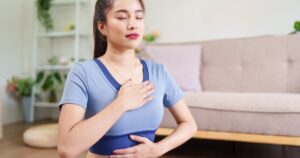
Diaphragmatic breathing for panic attacks works by engaging your body’s primary breathing muscle—the diaphragm—rather than relying on shallow chest breathing that activates your stress response. When you breathe deeply into your belly, your diaphragm contracts downward, allowing for fuller oxygen exchange. This deep breathing pattern sends signals through the vagus nerve, a major communication highway between your brain and body that controls your rest-and-digest functions. These techniques for anxiety create measurable physiological changes that happen within 60 to 90 seconds of proper diaphragmatic breathing, making it one of the fastest-acting exercises for anxiety available.
To practice diaphragmatic breathing correctly, place one hand on your chest and the other on your belly, then breathe in slowly through your nose for a count of four while ensuring only your belly hand rises. Your chest should remain relatively still during the inhale, which indicates you’re using your diaphragm rather than your accessory breathing muscles in your neck and shoulders. Hold the breath briefly for one or two counts, then exhale slowly through your mouth for a count of six, feeling your belly hand fall as your diaphragm relaxes upward. The longer exhale is crucial for vagus nerve stimulation exercises because it activates the parasympathetic nervous system more effectively than the inhale, which is why breathing exercises for anxiety reduce stress so reliably. Practice these breathing patterns for anxiety at the first signs of panic—tightness in your chest, racing thoughts, or a sense of impending doom—rather than waiting until anxiety peaks.
| Breathing Pattern | Physiological Effect | Best Used For |
|---|---|---|
| Shallow chest breathing | Activates the sympathetic nervous system, increases heart rate | Not recommended during anxiety |
| Diaphragmatic breathing (4-6 pattern) | Stimulates the vagus nerve, reduces cortisol | Panic attacks, immediate anxiety relief |
| Equal ratio breathing (4-4 pattern) | Balances the nervous system, improves focus | Generalized anxiety, daily practice |
| Extended exhale (4-8 pattern) | Maximum parasympathetic activation | Pre-sleep anxiety, deep relaxation |
Box Breathing and 4-7-8 Breathing Techniques for Anxiety Relief
The box breathing method, also called square breathing, follows a simple four-part pattern where each phase lasts for the same count of four: inhale for four counts, hold for four counts, exhale for four counts, and hold empty for four counts before repeating. This technique gained widespread recognition through its use by Navy SEALs, emergency responders, and other high-stress professionals who need to maintain calm focus during crisis situations. The predictable structure of box breathing makes it accessible even for people new to breathwork, as the equal timing eliminates confusion about when to transition between breathing phases. These breathing exercises for anxiety work because the equal timing creates a predictable rhythm that gives your anxious mind something concrete to focus on, interrupting the spiral of worried thoughts.
The 4-7-8 breathing technique benefits include deeper relaxation for those who need more profound calming by emphasizing a longer breath hold and extended exhale compared to the box breathing method. This technique involves inhaling through your nose for four counts, holding your breath for seven counts, and exhaling completely through your mouth for eight counts. The extended seven-count hold allows more oxygen to enter your bloodstream, while the eight-count exhale provides maximum vagus nerve stimulation and parasympathetic activation. This technique works well for anticipatory anxiety and sleep-related worry. Both exercises for anxiety offer distinct advantages: while box breathing provides balanced, sustained calm suitable for maintaining composure during ongoing stress, the 4-7-8 technique delivers more profound relaxation better suited for winding down or recovering after intense anxiety episodes.
- Box breathing advantages: Easier to remember under stress due to equal counts, sustainable for longer practice sessions (5-10 minutes), excellent for maintaining focus during anxiety-provoking situations like presentations or medical procedures.
- 4-7-8 breathing advantages: Produces deeper relaxation faster, particularly effective for sleep-related anxiety, helps break the cycle of rumination by requiring concentration on the longer counts.
- Common mistakes to avoid: Breathing too forcefully can cause lightheadedness; start with shorter counts if you feel dizzy, and never strain during breath holds.
- Building automaticity: Practice these breathing patterns for anxiety twice daily during calm moments for two weeks so the pattern becomes automatic and accessible when panic strikes unexpectedly.
- Situational selection: Use box breathing when you need to stay alert and functional during anxiety (at work, while driving), and use 4-7-8 breathing when you can fully relax afterward (at home, before bed).
Why Breathing Techniques for Anxiety Reduce Stress and When They Don’t Work
Understanding why deep breathing reduces stress requires looking at the vagus nerve, which runs from your brainstem down through your chest and abdomen, connecting your brain to your heart, lungs, and digestive system. When you take slow, deep breaths, especially with extended exhales, the mechanical movement of your diaphragm and the stretch receptors in your lungs send signals up the vagus nerve to your brain’s anxiety centers, particularly the amygdala. These signals essentially tell your brain that everything is safe, triggering a cascade of calming responses, including reduced heart rate, lowered blood pressure, decreased muscle tension, and reduced production of stress hormones like cortisol and norepinephrine. Research shows that breathing techniques for anxiety can measurably shift your autonomic nervous system from sympathetic (fight-or-flight) dominance to parasympathetic (rest-and-digest) dominance in as little as 60 seconds, providing measurable physiological changes that correspond with reduced anxiety symptoms.
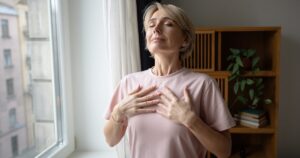
However, when breathing exercises don’t work for anxiety, it’s usually due to one of several factors that don’t mean you’re doing something wrong or that breathing techniques are ineffective for you. Some individuals experience paradoxical anxiety, where focusing attention on breathing actually increases panic sensations because it heightens awareness of bodily sensations that feel threatening during anxiety. Others may hyperventilate while attempting deep breathing, causing lightheadedness and increased panic. Additionally, some people find that the stillness required for breathwork temporarily removes distraction from anxious thoughts, making the thoughts feel more intense rather than less. If you’ve practiced breathing techniques for anxiety daily for several weeks without relief, experience increased panic when attempting them, or find that anxiety significantly impairs your daily functioning despite using these tools, these are signs that professional anxiety treatment can provide the comprehensive support needed to address underlying causes rather than just managing symptoms.
| Scenario | Why It Happens | What to Try Instead |
|---|---|---|
| Breathing exercises increase panic | Hyperawareness of body sensations triggers a fear response | Focus externally (5-4-3-2-1 grounding) before attempting breathwork |
| Feel lightheaded or tingly | Hyperventilation causes too much CO2 loss | Reduce breath depth, extend exhale even longer, breathe through the nose only |
| Can’t focus on counting | Anxiety too high for concentration-based techniques | Use physical movement first (walk, stretch), then try simpler breathing |
| No relief after consistent practice | Anxiety may have biological or trauma-based roots | Seek professional evaluation for a comprehensive treatment approach |
Find Lasting Anxiety Relief at Lonestar Mental Health
While breathing exercises for anxiety provide valuable immediate relief during moments of panic or worry, they address symptoms rather than the underlying causes that keep anxiety recurring in your life. Comprehensive anxiety treatment examines the biological, psychological, and environmental factors contributing to your anxiety, providing tools and strategies for how to calm anxiety naturally that go beyond crisis management to build lasting resilience and reduce the frequency and intensity of anxiety episodes. Lonestar Mental Health integrates breathing techniques for anxiety into comprehensive treatment programs that also include cognitive-behavioral therapy, medication management when appropriate, lifestyle interventions, and the best calming techniques for panic disorder tailored to your specific needs. Our team understands that Texans face unique stressors—from the fast-paced growth in cities like Austin and Dallas to the isolation of rural communities—and we tailor treatment to your specific circumstances, whether you’re managing generalized anxiety disorder, panic disorder, social anxiety, or anxiety related to trauma or life transitions. We accept most major insurance plans and offer flexible scheduling to make professional anxiety support accessible when these exercises for anxiety by themselves aren’t providing sufficient relief. Contact Lonestar Mental Health today to learn how our comprehensive approach can help you move from merely managing anxiety symptoms to genuinely thriving with confidence and calm.
FAQs About Breathing Techniques for Anxiety
How quickly do breathing techniques for anxiety actually work?
Most people experience noticeable anxiety reduction within 60 to 90 seconds of starting breathing exercises, with heart rate and blood pressure beginning to decrease almost immediately. The effects become significantly more pronounced with consistent daily practice over two to three weeks as your nervous system becomes more responsive to the calming signals.
Can breathing techniques for anxiety stop a panic attack completely?
Breathing techniques can significantly reduce panic attack intensity and duration when applied at the first signs of symptoms, like chest tightness or a racing heart. They work best when practiced regularly during calm periods so the technique becomes automatic during high-stress moments, though severe panic attacks may require additional interventions.
Why do some breathing techniques for anxiety make my panic worse?
Some people experience paradoxical anxiety where focusing on breathing increases panic sensations due to hyperawareness of bodily sensations or fear of losing control. This often happens when breathing too deeply too quickly, causing lightheadedness from hyperventilation, or when trauma history makes internal focus feel unsafe rather than calming.
What’s the difference between the box breathing method and the 4-7-8 breathing technique?
Box breathing uses equal counts of four for inhale-hold-exhale-hold, creating balanced calm suitable for maintaining composure during ongoing stress. The 4-7-8 breathing technique uses progressive counts of 4-7-8 with emphasis on the longer exhale for deeper parasympathetic activation, making it better for profound relaxation and sleep preparation.
How often should I practice breathing techniques for anxiety to see results?
Practice breathing exercises consistently two to three times daily for five minutes during calm periods to build the neural pathways that make the skill automatic. This regular practice makes the techniques significantly more effective when you need them during actual anxiety episodes, similar to how athletes train skills during practice to perform under pressure.