Skip to content




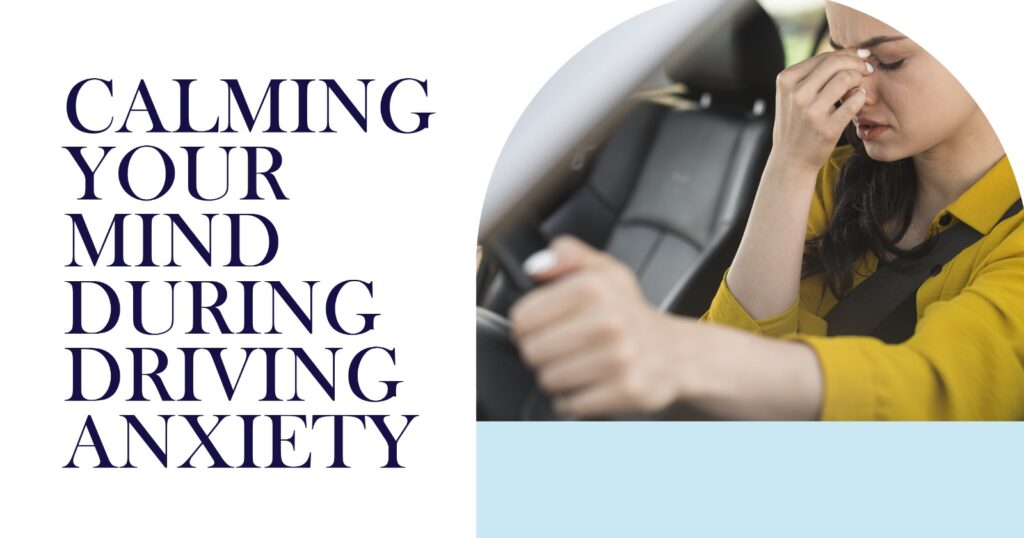
Your hands are sweaty. Heart’s racing. That merge up ahead suddenly looks like a bad idea. You tell yourself to relax, but your body’s already in panic mode.
If you’ve ever had a panic attack while driving, you know exactly what this feels like. You’re not the first to experience such. Driving anxiety is actually pretty common. But on the plus side, it’s not a permanent thing. It is very possible for you to drive again without panicking. Read on to learn all you need to know about anxiety while driving and how to overcome it.
Understanding Anxiety While Driving
Anxiety while driving doesn’t mean you’re weak. Far from it, and it’s not overreacting either. It’s your brain trying to protect you. It’s just that it goes a little overboard.
For some people, it only happens on highways. For others, it’s anytime they sit behind the wheel. The fear comes fast, and it feels real, even when you know you’re safe.
When your mind senses danger (even if there isn’t any), it sets off that “fight or flight” alarm. Your heart races, your breathing speeds up, your muscles tighten because your brain thinks you’re about to face a tiger, not a traffic light.
Some people feel it only on highways. Others feel it anytime they touch the steering wheel. And a few feel totally fine until they’re in traffic or in a place where they can’t pull over easily.
It’s not about the car, actually. It’s about control. Or rather, the fear of losing it.
Common Causes of Driving Anxiety
Sometimes it can be one single reason. But oftentimes, it’s a combination of two or more things. The first step to getting over driving anxiety is to understand what’s causing it. Here are a few common causes of driving anxiety:
A past bad experience
If you’ve ever been in an accident, even a minor one, your brain keeps a record of that fear. So, the next time you drive, it goes into anxiety mode.
Overthinking
You start imagining every possible “what if.”
- What if my brakes fail?
- What if I crash?
- What if I can’t breathe?
Your body reacts like it’s all happening. But it’s not. You’re actually safe.
Stress and fatigue
If you’re tired, burned out, or haven’t had enough sleep, your brain’s already on edge. Add driving to that mix, and it’s no surprise anxiety tags along.
Other possible causes include lack of driving experience, fear of losing control, and fear/anxiety from other life issues.
| Trigger Type | Example Situations | Common Thought Pattern |
| Environmental | Traffic jams, rain, night driving | “This is too much, I’ll mess up.” |
| Physical | Tiredness, caffeine, hunger | “I don’t feel okay, something’s wrong.” |
| Social | Passengers, tailgaters, honking | “They think I can’t drive.” |
Recognizing Signs of a Driving Phobia
There’s a big difference between stress behind the wheel and having an actual driving phobia. A phobia goes way deeper. It is stronger, more consistent, and honestly starts messing with your life.
People dealing with this might:
- Avoid driving completely or stick to super short, familiar routes
- Get panic attacks just thinking about driving
- Turn down jobs that need driving (Yes, it happens)
- Rely on friends or rideshares to get anywhere
- Feel like their freedom’s been cut down
Take, for example, a bold, confident, and audacious lady who straight-up refuses to drive on highways. Like all that audacity goes out the window once driving on the Highway is involved. And for three years, she just plans these crazy detours through side streets just to avoid it. That’s when you know it’s crossed into full-blown phobia territory.

Then there’s the physical symptoms. They include:
- Racing heart
- Sweaty palms and trembling hands
- Dizziness or lightheadedness
- Nausea
- Tight chest or shortness of breath
- Hot or cold flashes
Effective Strategies for Managing Panic Attacks on the Road
Over to the practical part. Here are a few tips for managing panic attacks on the road:
- Pull Over Safely (If You Can).
Number one rule: safety first. Use your hazards, find a safe place like a parking lot or wide shoulder, and just stop. Don’t force yourself to “push through.” There’s no trophy for suffering.
- Try the 5-4-3-2-1 Grounding Trick.
It works because it pulls your mind out of the panic loop and back into reality:
- 5 things you can see
- 4 things you can touch
- 3 things you can hear
- 2 things you can smell
- 1 thing you can taste
You’re basically reminding your brain that you’re in the present and it should relax.
- Practice Box Breathing.
Breathe in for 4, hold for 4, out for 4, hold for 4. It sounds silly, but it actually calms your nervous system. I used to think it was nothing, but trust me, your body literally can’t stay in panic mode when you’re breathing like that.
- Challenge Your Thoughts.
When your brain starts shouting, “I’m gonna crash!” question it. Ask yourself, “Is that a fact or just fear talking?” 9 out of 10 times, it’s just fear. You’ve driven safely plenty of times before.
- Keep calm reminders handy.
Playlist, scent, picture. Anything that brings comfort fast.
| Panic Attack Phase | What to Do | What NOT to Do |
| Early signs (tension, overthinking) | Deep breathing, loosen your grip | Ignore it and hope it passes |
| Peak anxiety (heart racing, sweating) | Pull over, use grounding | Keep driving while panicking |
| Recovery (starting to calm) | Wait till steady, talk kindly to yourself | Rush back into traffic too fast |
Practical Tips for Overcoming Driving Anxiety
Overcoming driving anxiety takes time. Don’t rush it. Think baby steps, not instant confidence.
Here are a few tips for anxious drivers that help:
- Start by just sitting in your parked car. No pressure to move.
- Then drive around your block.
- Add a few minutes every time.
- Reward yourself seriously, treat yourself after each try.
Little wins train your brain to feel safe again.
Another trick is to try driving with a friend. Sometimes, having someone next to you quiets the fear. And don’t forget, your stress behind the wheel isn’t who you are. It’s just a temporary roadblock.
Coping Mechanisms for Fear of Driving
If your driving anxiety or fear of driving isn’t just a once-in-a-while thing anymore, here are a few tricks to help you cope with driving fear in the long term:
- CBT (Cognitive Behavioral Therapy): The Anxiety and Depression Association of America (ADAA) says a CBT therapist can help you untangle all the crazy thoughts in your head. They can also give you ways to stop totally losing it next time you get behind the wheel.
- Exposure Therapy: This one’s a bit scary but also smart. You face the driving thing little by little. Maybe just sitting in the car at first. Then start the engine. Then roll down the street. Sometimes the therapist even rides along. Baby steps, literally.
- Mindfulness & Meditation: This is about noticing your thoughts without letting them hijack your brain.
- Medication (if needed): Sometimes, you might need a few pills. There’s zero shame in that. Especially if you’re trying the other options and they’re not working.
- Support Groups: Talk to people who actually get it. Share tips, laugh at how ridiculous panic can be, and realize you’re not alone.
| Coping Strategy | Time Commitment | Best For |
| CBT | Weekly sessions (8–12 weeks) | Deep anxiety triggers |
| Gradual exposure | 15–30 mins daily | Building confidence |
| Mindfulness | 10–20 mins daily | General calmness |
| Support groups | Weekly/monthly | Encouragement & tips |
| Medication | Daily (doctor-guided) | Severe or chronic anxiety |
Other tips: Keep a driving journal to track progress and manage general stress. Anxiety shows up behind the wheel if life’s already tense.
Gaining Confidence with Support From Lonestar Mental Health
If driving makes your chest tighten or your hands shake a bit, you’re not alone. Loads of people feel that. Way more than you’d guess. And honestly, it doesn’t have to stay like that.
At Lonestar Mental Health, there’s a team that actually listens. We don’t just toss advice at you. We figure out what actually works. Therapy, meds, coping tricks, or just someone to vent to while sitting in traffic. Whatever helps you feel like driving (and life) isn’t a panic fest.
You deserve that calm. You deserve to get behind the wheel without fear, whispering nasty things in your ear. If you’re ready, Lonestar’s got you. One step. One drive. One deep breath at a time.

FAQs
1. What are the common causes of anxiety while driving and how can they affect your ability to drive safely?
Things like past near-misses, overthinking every little thing, or feeling like you’ve got to be perfect. This makes you jittery, distracted, and honestly, a bit unsafe sometimes.
2. How can you recognize the signs of a driving phobia and differentiate it from general stress behind the wheel?
Stress comes and goes. Phobia sticks. Like avoiding roads, freaking out thinking about driving, or racing heart every time you get in the car.
3. What are some effective strategies for managing panic attacks when you’re on the road?
Pull over if you can and breathe. Name things around you, feel your seat, and try breathing techniques.
4. What practical tips can help in overcoming driving anxiety and boosting confidence for anxious drivers?
Start small. Short drives, quiet streets, maybe a buddy along. Little wins stack up into confidence.
5. How can you reduce stress behind the wheel and develop coping mechanisms for fear of driving?
Take care of your day first. Sleep, chill music, deep breaths. Therapy helps if your brain keeps freaking out.