Skip to content






Online Therapy for Social Anxiety: Results That Actually Stick
Key Takeaways
- Online therapy is an effective, research-backed option for social anxiety, with outcomes that studies find comparable to in-person care.
- Virtual therapy sessions lower the barrier to starting treatment by removing the very trigger — being physically in a room full of strangers.
- Teletherapy pairs cognitive restructuring with gradual, screen-based exposure to steadily reduce avoidance.
- Therapy apps and mental health support tools reinforce progress between sessions but work best alongside licensed therapists, not in place of them.
- Online counseling widens access to quality behavioral health care without watering down the treatment itself.
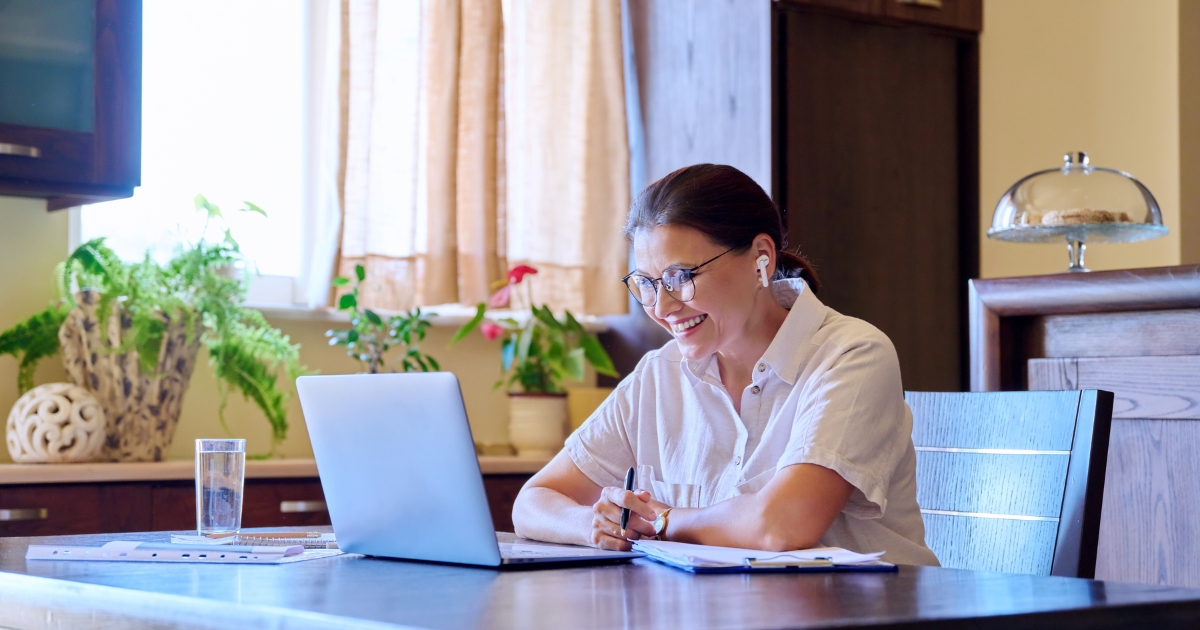
For someone with social anxiety, the waiting room can be the hardest part of therapy. The fear of being watched, judged, or evaluated by strangers is the exact symptom that makes seeking help feel overwhelming. Online therapy changes that equation. By meeting people where they already feel safe — at home, behind a familiar screen — virtual care removes a major barrier to starting and then builds skills that hold up in the real world. Here is how it works, and why the results tend to last.
How Online Therapy Addresses Social Anxiety at Its Core
Social anxiety disorder is driven by an intense fear of negative evaluation. Traditional care often asks a person to confront that fear before treatment even begins: travel to an unfamiliar office, sit in a shared waiting area, and speak face-to-face with someone new. Online therapy meets the person in a lower-threat setting, so the real work can start sooner. That matters clinically, because the earlier treatment begins, the earlier entrenched avoidance patterns can be interrupted. Rather than sidestepping exposure, effective online counseling reintroduces it gradually and on the client’s terms — first through the screen, then in daily life. The goal is never to help someone avoid discomfort forever, but to build tolerance for it in manageable steps.
Why Virtual Sessions Create a Safer Space for Anxious Minds
For anxious minds, a sense of control lowers the temperature. Virtual therapy sessions give clients agency: a familiar room, a known environment, and the option to keep their hands busy or glance away when eye contact feels intense. That reduced threat is not avoidance — it is a foothold. When the initial fear is lower, people are more likely to show up consistently, speak openly, and stay in treatment long enough to benefit. Higher attendance and lower dropout are among the practical advantages teletherapy offers, and consistency is one of the strongest predictors of lasting change.
The Science Behind Teletherapy Effectiveness for Social Fears
The evidence for teletherapy is substantial. Multiple meta-analyses of internet-delivered cognitive behavioral therapy for social anxiety report large reductions in symptoms, with gains that hold at follow-up. More broadly, research finds that video-based and internet-delivered therapy produce outcomes comparable to in-person treatment for anxiety, while reaching people who might otherwise go without care. In other words, the format does not water down the method. The core mechanisms of change — facing feared situations and updating unhelpful beliefs — work whether they happen in an office or over a secure video connection.
Breaking the Cycle: What Licensed Therapists See in Social Anxiety Patterns
Licensed therapists see the same self-reinforcing loop again and again in social anxiety: a feared situation triggers anxious predictions such as “I’ll embarrass myself,” which lead to avoidance or subtle safety behaviors, which prevent the person from ever learning that the feared outcome rarely happens. Avoidance brings short-term relief but strengthens the fear over time. Screen-based counseling services give clinicians a clear window into these patterns — including the quiet safety behaviors clients rely on, like over-preparing or muting themselves emotionally. Naming the cycle is the first step to breaking it, and behavioral health professionals use that shared map to guide each stage of treatment.

Virtual Therapy Sessions and Exposure-Based Treatment Techniques
Exposure is the engine of effective social anxiety treatment, and virtual therapy sessions adapt it well. Clients and clinicians build a personalized “fear ladder,” ranking situations from mildly uncomfortable to highly challenging. Early rungs might include speaking up on a video call or making a phone appointment; later rungs move into in-person settings. Because the therapist is present in real time, they can coach the client through the anxiety as it rises and falls, reinforcing that the feeling passes on its own. Over repeated practice, the brain learns that feared situations are survivable — and usually far less catastrophic than predicted.
Gradual Desensitization Through Screen-Based Interactions
Screen-based interactions offer a natural first step on the exposure ladder. Turning the camera on, unmuting to share an opinion, or joining a small online group each provide genuine social exposure at a manageable level of risk. As comfort grows, the therapist gradually raises the challenge, a process known as systematic desensitization. The aim is steady, repeated practice rather than one overwhelming leap. Each successful exposure chips away at avoidance and replaces catastrophic predictions with lived evidence that the person can cope.
The Role of Behavioral Health Strategies in Long-Term Recovery
Lasting recovery depends on more than confronting fears; it requires changing the thoughts and habits that keep them alive. Comprehensive behavioral health care pairs exposure with cognitive and skills-based work, so progress made in session generalizes to everyday life. This combined approach is what helps results stick after treatment ends, leaving clients with tools they can keep using long after the final appointment.
Cognitive Restructuring Methods That Produce Measurable Results
Cognitive restructuring helps clients identify and challenge the distorted thoughts fueling their anxiety. A therapist guides the person to examine predictions like “everyone will notice I’m nervous,” test them against evidence, and replace them with more balanced, realistic appraisals. Standardized questionnaires let clinicians track social anxiety symptoms over time, so change is measured rather than guessed. When clients watch their scores fall across weeks of online counseling, that objective feedback reinforces motivation and confirms the work is paying off.
Building Confidence Through Structured Mental Health Support
Confidence in social anxiety recovery is built through structure, not willpower. Consistent mental health support — regular sessions, clear between-session assignments, and steady encouragement from a clinician — turns intimidating goals into a sequence of achievable steps. Each completed assignment becomes evidence of capability. Over time, that accumulated evidence reshapes how a person sees themselves: not as someone who must avoid social situations, but as someone who can move through them.
Therapy Apps and Supplemental Tools for Between-Session Progress
Progress happens between appointments as much as during them. Therapy apps can support that work with guided exercises, mood and thought tracking, breathing tools, and reminders to practice exposures. Used alongside professional care, these tools help clients stay engaged and bring real data back to their next session. They are best understood as supplements, not substitutes: an app can reinforce the skills a clinician teaches, but it cannot replace the tailored guidance, accountability, and clinical judgment of a trained professional.
Why Online Counseling Outperforms Traditional Methods for Social Anxiety
For social anxiety specifically, online counseling holds a distinct edge — not because it changes the underlying therapy, but because it removes the barriers that keep people from starting and staying. Research indicates outcomes are comparable to in-person care, so clients give up little on effectiveness. What they gain is significant: no commute, no crowded waiting room, easier scheduling, and access to care from wherever they feel safe. For a condition whose central symptom is fear of social exposure, being able to begin from a place of comfort can be the difference between getting help and putting it off indefinitely.
Real Outcomes: How Lonestar Mental Health Clients Overcome Social Anxiety
At Lonestar Mental Health, clients work with licensed therapists who tailor evidence-based online therapy to each person’s goals and pace. Care blends gradual exposure, cognitive restructuring, and practical skills, supported by consistent check-ins and clear between-session steps. The result is progress that lasts — people who once avoided phone calls or meetings learning to move through those situations with real confidence.
If social anxiety is holding you back, help is within reach. Contact Lonestar Mental Health today to learn how our online counseling and behavioral health services can support you or your loved one on the path to lasting change.
FAQs
-
Can teletherapy be as effective as in-person counseling for treating social anxiety disorder?
For most people, yes. Research broadly finds that teletherapy produces outcomes comparable to in-person treatment for anxiety disorders, including social anxiety. Meta-analyses of internet-delivered CBT for social anxiety report large symptom reductions that are sustained at follow-up. For many clients, the added accessibility of virtual care also improves attendance, which supports better results over the long run.
-
How do licensed therapists use cognitive restructuring during virtual therapy sessions?
Licensed therapists help clients catch the automatic negative thoughts that drive social anxiety, such as assuming everyone is judging them harshly. During virtual therapy sessions, the clinician guides the client to weigh those thoughts against actual evidence and build more realistic alternatives. Practiced consistently, this reshapes the anxious thinking patterns that fuel avoidance.
-
What behavioral health strategies help clients maintain progress between online counseling appointments?
Between sessions, clients typically practice planned exposures, complete thought records, and use coping skills like paced breathing. Therapy apps and simple tracking tools help them log progress and stay accountable. These behavioral health strategies keep momentum going and give the therapist concrete information to shape the next online counseling appointment.
-
Are therapy apps and mental health support tools sufficient as standalone treatments for social fear?
Generally, no. Therapy apps and mental health support tools are valuable supplements that reinforce skills and encourage daily practice, but they lack the personalized assessment, accountability, and clinical judgment of a trained professional. For diagnosed social anxiety, they work best alongside care from licensed therapists rather than in place of it.
-
How does screen-based counseling reduce avoidance behaviors in socially anxious individuals?
Screen-based counseling lets clients begin exposure at a manageable level — turning on a camera, speaking up in a session, or joining a small group — before gradually taking on harder situations. Because a therapist guides each step in real time, clients learn that anxiety rises and then falls without the feared catastrophe. Repeated practice steadily replaces avoidance with confidence.
References
- American Psychological Association. Telehealth and telepsychology. https://www.apa.org/practice/telehealth-telepsychology
- Effectiveness of Internet-based cognitive-behavior therapy for social anxiety disorder in clinical psychiatry (PubMed). https://pubmed.ncbi.nlm.nih.gov/26009780/
- Internet-Delivered Cognitive-Behavioral Therapy for Social Anxiety Disorder: A Randomized Controlled Trial (PMC, open access). https://pmc.ncbi.nlm.nih.gov/articles/PMC4418823/
- Internet-delivered cognitive behavioral therapy for anxiety disorders: meta-analysis (PMC, open access). https://pmc.ncbi.nlm.nih.gov/articles/PMC6492068/